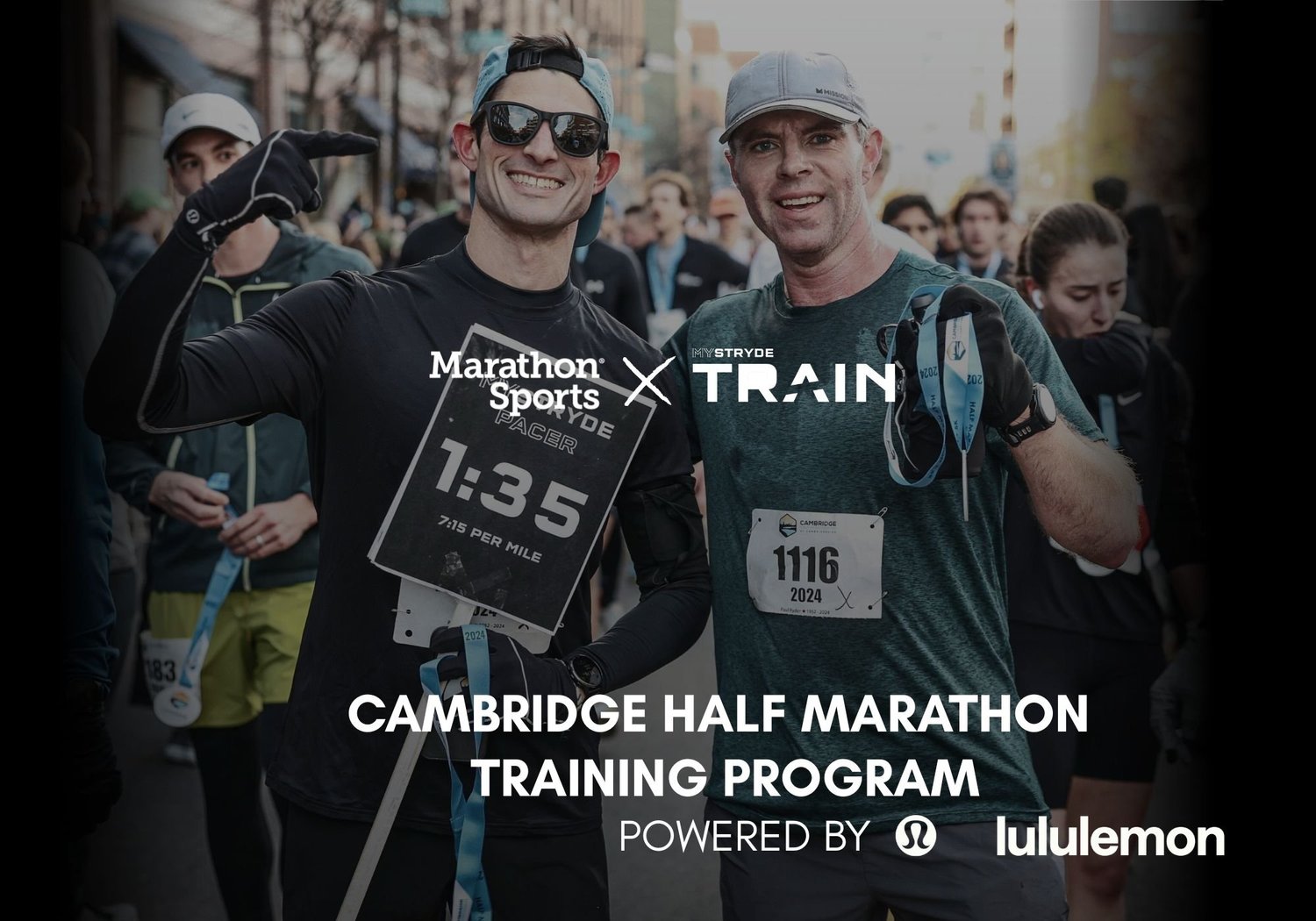
Cambridge Half Marathon: Gym Training for Stronger Running
The Cambridge Half Marathon stands as a beacon for runners, drawing both seasoned athletes chasing personal bests and enthusiastic newcomers eager to conquer the 13.1-mile challenge amidst the historic backdrop of Cambridge. As a pivotal event in many runners' calendars, it demands a comprehensive approach to Cambridge Half Marathon preparation that extends far beyond simply racking up miles on the road. While pavement pounding builds endurance, the secret to truly excelling – running stronger, staying injury-free, and crossing the finish line feeling your absolute best – lies significantly in what you do off the track: in the gym.
Many runners, especially those new to longer distances, often underestimate the transformative power of a well-rounded gym training regimen. They might focus solely on increasing mileage, only to find themselves battling fatigue, plateaus, or worse, nagging injuries that derail their progress. This article delves into why integrating gym training is not just beneficial, but absolutely essential for anyone aiming to conquer the Cambridge Half Marathon.
Beyond the Pavement: Why Gym Training is Essential for Your Cambridge Half Marathon Preparation
Think of it this way: running builds the engine (cardiovascular endurance), but gym training builds the chassis, suspension, and tires – the robust framework that supports and propels that engine. A dedicated running plan is undoubtedly the cornerstone, but a structured half marathon training plan that incorporates strength work, cross-training, and mobility exercises can dramatically elevate your performance. It's about more than just muscle; it’s about creating a resilient, efficient, and powerful runner.
Here’s how gym training becomes a game-changer:
- Injury Prevention: This is arguably the most critical benefit. High mileage weeks can put immense stress on the body. Many common running injuries, from runner's knee to shin splints and plantar fasciitis, often stem from muscle imbalances, weak core muscles, or poor mobility. Strength training corrects these imbalances, fortifies vulnerable areas, and helps your body absorb the repetitive impact of running.
- Improved Running Economy: A stronger body moves more efficiently. When your muscles can generate more power with less effort, your running economy improves. This means you use less energy to maintain a given pace, allowing you to run faster or longer before fatiguing.
- Enhanced Stamina and Endurance: While running directly builds aerobic capacity, certain gym exercises can supplement this, building muscular endurance that prevents your muscles from giving out before your cardiovascular system does.
- Better Form and Posture: A strong core and glutes are fundamental for maintaining good running posture. This prevents slumping, reduces wasted energy, and improves oxygen intake.
Unlocking Power: Key Strength Training Exercises for Runners
At its core, running is a dynamic series of single-leg squats performed at speed. This simple truth highlights why developing robust leg and core strength is paramount. Even just one or two dedicated strength sessions per week can yield significant dividends. Here are the foundational exercises:
- Squats (Back Squats, Front Squats, Goblet Squats): These are king for building power in your glutes, hamstrings, and quadriceps. Strong quads propel you forward, while powerful glutes extend the hip and stabilize the pelvis.
- Lunges (Forward, Reverse, Lateral): Lunges are invaluable as they mimic the single-leg stance of running and address muscular imbalances between legs. They improve balance, stability, and strengthen the quads, hamstrings, and glutes.
- Deadlifts (Conventional, Romanian, Trap Bar): The deadlift is a full-body power exercise that specifically targets the posterior chain (glutes, hamstrings, lower back). A strong posterior chain is crucial for powerful propulsion and preventing hamstring strains.
- Hip Thrusts: Excellent for isolating and strengthening the glutes, which are often underactive in runners. Strong glutes are essential for hip extension, stability, and preventing IT band issues.
- Calf Raises (Standing, Seated): Your calves absorb a tremendous amount of impact with each stride. Strengthening them helps with push-off and reduces the risk of Achilles and shin-related problems.
- Planks and Core Work: A strong, stable core (including planks, side planks, bird-dog, dead bugs) acts as the bridge between your upper and lower body. It prevents rotational forces, maintains posture, and ensures efficient transfer of power from your legs.
When performing these exercises, focus on proper form over heavy weight, especially initially. As you get stronger, progressively increase resistance or repetitions.
Cross-Training & Mobility: Enhancing Endurance and Preventing Injury
While strength builds power, cross-training and mobility work are equally vital for a holistic Cambridge Half Marathon preparation. They offer low-impact ways to build aerobic capacity, aid recovery, and ensure your body moves freely and without restriction.
Cross-Training for Cardiovascular Gains:
Cardio machines at the gym provide excellent alternatives to running, reducing impact while still building your engine. Consider:
- Rower: A full-body workout that builds cardiovascular endurance and strengthens the back, core, and legs without the impact.
- Assault Bike/Air Bike: Provides high-intensity intervals that tax both your cardiovascular and muscular systems, improving power and anaerobic capacity.
- Stairmaster/Stair Climber: Great for building leg strength and endurance, mimicking hill training with less impact on joints.
- Elliptical: A low-impact option that allows for steady-state aerobic conditioning or interval work.
These machines are perfect for "active recovery" days or when you need a break from the repetitive motion of running. You can use them for steady sessions to build aerobic capacity or high-intensity intervals to increase speed and VO2 max.
Mobility for Resilience and Range of Motion:
Many common running injuries stem from tight hips, poor ankle mobility, or restricted movement patterns. Incorporating functional training and mobility exercises helps support your running posture and absorb the impact of longer sessions. Focus on:
- Dynamic Stretching: Incorporate leg swings, hip circles, and torso twists as part of your warm-up to prepare your body for movement.
- Foam Rolling: Target common tight spots like glutes, hamstrings, quads, IT band, and calves. This helps release muscle knots and improves tissue quality.
- Static Stretching: Hold stretches for 20-30 seconds post-run or during dedicated mobility sessions, focusing on hip flexors, hamstrings, quadriceps, and calf muscles.
- Yoga/Pilates: These practices are fantastic for improving overall flexibility, core strength, balance, and body awareness – all crucial for runners.
Programs that improve flexibility, joint stability, and overall resilience can significantly reduce your risk of injury, helping you stay on the track and out of the physio clinic.
Integrating Gym Work into Your Cambridge Half Marathon Training Program
The key to successful integration is a well-structured plan. For example, comprehensive programs like the 12-week training plans offered by partners like Mystryde for the Cambridge Half Marathon often include a dedicated 9-week Injury Prevention Strength Program. This structured approach takes the guesswork out of planning.
Here are some practical tips for fitting gym training into your schedule:
- Schedule Consistently: Aim for 1-3 gym sessions per week. Ideally, schedule them on non-running days or before easy/recovery runs to avoid excessive fatigue before key running workouts.
- Listen to Your Body: If you're feeling overly fatigued or sore, scale back the intensity or volume of your gym workout. Overtraining can be as detrimental as undertraining.
- Periodize Your Training: As your running mileage increases closer to race day, you might slightly reduce the intensity or volume of your strength training to prioritize recovery and running performance. However, don't drop it entirely; maintaining strength is still important.
- Consider Professional Guidance: If you're unsure how to start or progress, consider working with a running coach or a strength and conditioning specialist. Many programs, like those for the Cambridge Half, offer coaching support and resources. Remember, you can Prepare for Cambridge Half: Custom Plans for Every Level, which often include strength components tailored to your ability.
Beyond the physical training, don't underestimate the power of community and motivation. Programs often foster a supportive environment with group kick-off events and training runs, ensuring camaraderie. Perks like discounts on gear at Marathon Sports, classes, massages, and PT services can help you stay fresh and recover throughout your training cycle, culminating in a custom race singlet to wear on race day!
Conclusion
Preparing for the Cambridge Half Marathon is an exciting journey that demands more than just logging miles. By embracing a holistic approach that seamlessly integrates gym training – focusing on strength, cross-training, and mobility – you're not just preparing to run the race; you're building a stronger, more resilient, and more efficient runner. This comprehensive cambridge marathon preparation strategy will not only help you prevent injuries and improve your performance but will also empower you to truly enjoy the experience of crossing that finish line, knowing you gave your body the best possible foundation for success.